Blog ·
Seasonal Tire Changes: The Complete Preparation and Timing Guide
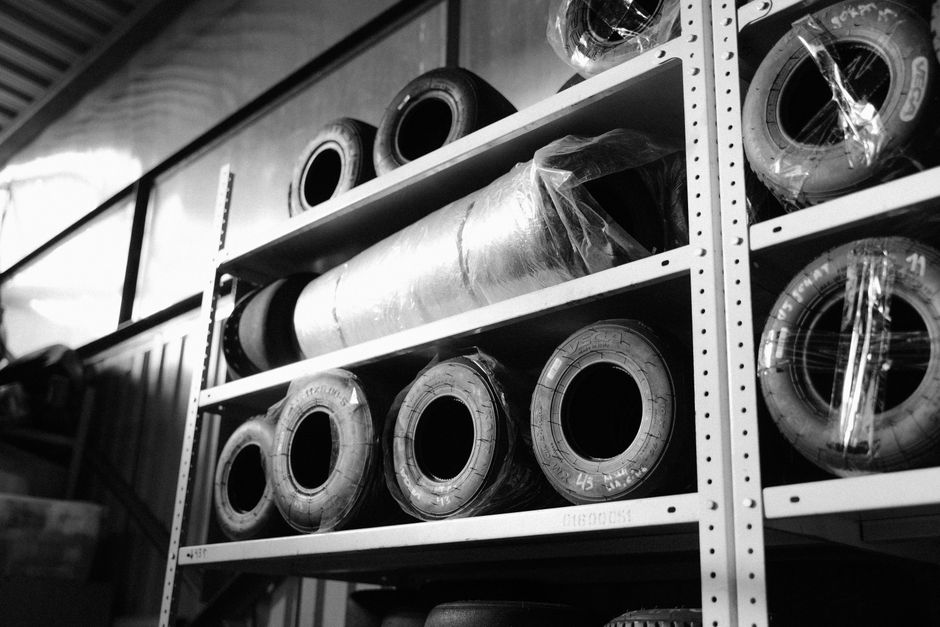
Changing your tires seasonally is one of the most impactful decisions you can make for your vehicle's performance and your family's safety. Winter tires, summer tires, and all-season options each excel under different conditions. Understanding when and how to transition between them helps you maximize grip, handling, and braking performance throughout the year.
Why Seasonal Changes Matter
Tire compound and tread design are engineered for specific temperature ranges. Winter tires remain flexible in freezing conditions, providing superior grip on snow and ice. Summer tires offer better handling and shorter stopping distances on warm, dry pavement. Using the wrong tire type for the season directly impacts how well your vehicle brakes, accelerates, and handles curves.
Timing Your Seasonal Swap
The ideal time to switch is when outdoor temperatures consistently hover around 45 degrees Fahrenheit or below for winter, or 50 degrees and above for summer. This typically means switching to winter tires in October or November, and back to summer tires in March or April, though your region's climate determines exact timing. Don't wait until the first snowfall—by then, roads may already be hazardous.
Preparing for the Change
Before scheduling your swap, inspect all four tires for wear, damage, or bulges. Check tire pressure when tires are cold, before driving. If storing one set while using another, clean tires thoroughly and follow proper storage procedures. This prevents deterioration and ensures they perform well when reinstalled.
The Swap Process
While some drivers handle tire changes themselves, professional service ensures proper torque specifications are met and wheels are balanced correctly. During installation:
- All four tires should be swapped simultaneously for consistent performance
- Wheels should be balanced to eliminate vibration
- Tire pressure should be set to manufacturer specifications
- Wheel alignment should be verified if you've hit potholes or curbs
What About All-Season Tires?
All-season tires offer a middle ground, performing adequately in multiple conditions. However, they don't match the specialized performance of seasonal tires. If you live in an area with significant winter weather or harsh summers, seasonal tires provide measurably better safety and control.
Between-Season Maintenance
Regardless of which tires you use, maintain consistent pressure, rotate every 5,000 to 8,000 miles, and inspect tread depth regularly. Visual checks take seconds but reveal wear patterns indicating alignment or suspension issues. Addressing maintenance needs promptly prevents larger problems.
Building a Long-Term Strategy
Seasonal tire changes represent an investment in safety and vehicle longevity. By using the right tires for your climate and maintaining them properly, you maximize their lifespan, improve your vehicle's handling, and drive with greater confidence in any weather condition.